E-Waste Pickup Services: Streamlining Your Recycling Process for a Cleaner Environment
E-waste collection services are transforming the way individuals and organizations handle recycling. These solutions streamline the disposal process while maintaining environmental compliance. They not only lessen the difficulty of hauling heavy electronic equipment but also promote eco-friendly practices. As consumers continue to prioritize green alternatives, comprehending the intricacies of these services becomes critical. What factors should one consider when choosing an e-waste pickup provider? The answer may surprise you.
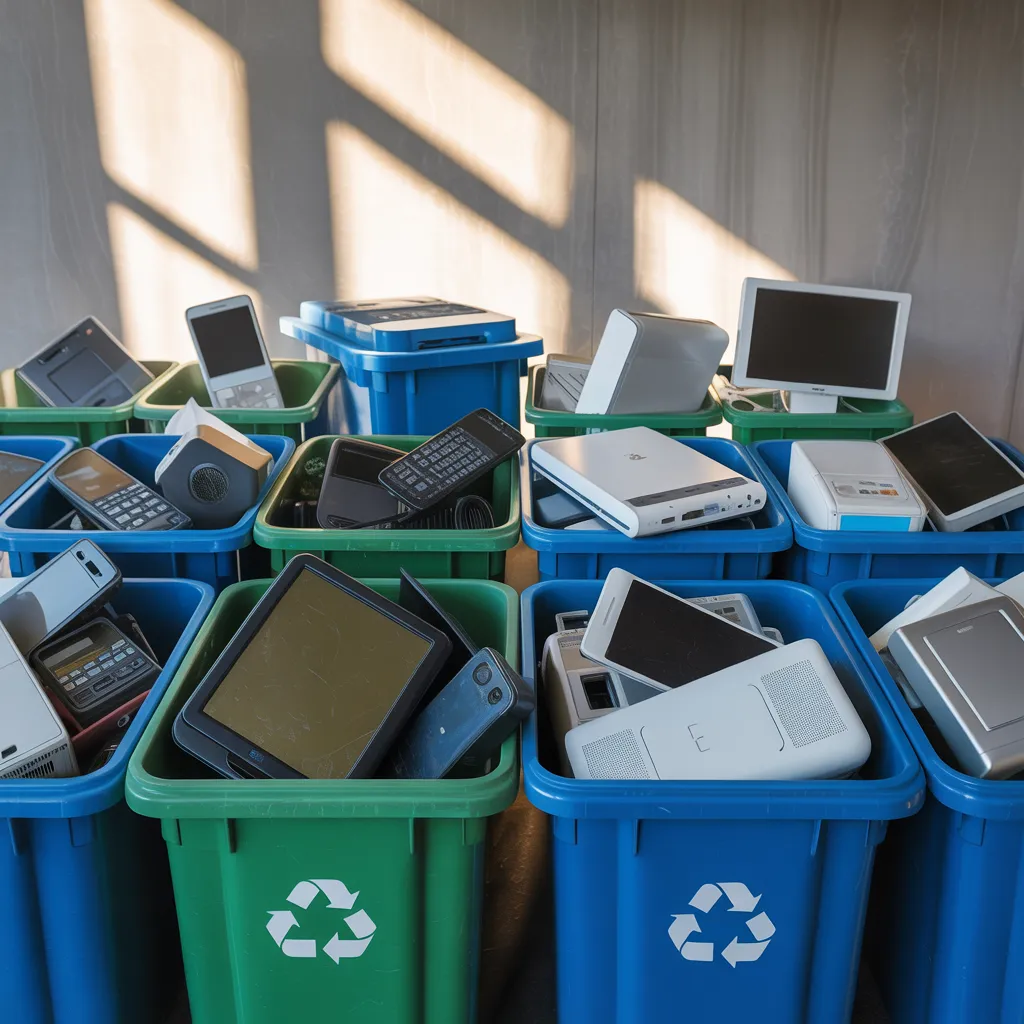
How E-Waste Pickup Mitigates Environmental Impact
E-waste pickup services play an essential role in minimizing the environmental effects of unwanted electronic devices, as they facilitate the responsible disposal and recycling of dangerous substances. These services help prevent dangerous chemicals, such as cadmium, lead, and mercury, from contaminating soil and water systems. By effectively collecting and moving e-waste, they ensure that dangerous components are managed in accordance with environmental regulations.
Furthermore, e-waste pickup services encourage material recovery by diverting precious materials, such as copper, gold, and silver, into the production cycle again. This lowers the demand for virgin raw materials, consequently preserving natural resources and minimizing the consumption of energy associated with mining and processing.
Furthermore, these solutions raise public awareness about the critical nature of appropriate e-waste handling, prompting households and companies to embrace eco-friendly practices. Overall, e-waste collection services greatly advance a safer and cleaner environment by resolving the concerns resulting from electronic waste.
Benefits of Using E-Waste Pickup Services
E-waste pickup services offer considerable benefits for both individuals and businesses. Such services deliver convenient collection options, making the disposal of outdated electronics hassle-free. Moreover, they ensure sustainable disposal solutions, helping to reduce environmental harm associated with electronic waste.
Easy Collection Choices
For individuals and businesses looking to responsibly dispose of electronic waste, using pickup services provides a convenient solution. These services provide convenient collection options that fit various schedules and needs. Clients can often choose from flexible pickup times, accommodating both residential and commercial locations. This removes the hassle of hauling heavy items to recycling facilities, preserving precious time and energy. Furthermore, numerous e-waste collection services provide same-day or pre-scheduled pickups, improving convenience. By streamlining the collection process, these services encourage more people to recycle their electronic devices, ultimately reducing the environmental impact of e-waste. The convenience of arranging and completing pickups fosters responsible waste management, positioning it as a sensible solution for those committed to building a cleaner environment.
Eco-Friendly Disposal Methods
Utilizing electronic waste collection services confirms that electronic equipment are managed with environmental responsibility. Such services are experts in managing multiple categories of electronic waste, ensuring that harmful substances, including lead and mercury do not enter landfills. By employing certified recyclers, e-waste pickup services support resource preservation through the recovery of valuable materials, lessening the demand for virgin raw materials. Furthermore, these services often comply with regional and global regulations, encouraging sustainable operations. Businesses and individuals gain from the convenience of scheduled pickups, easing the challenge of moving large items. In the end, embracing eco-friendly disposal methods through e-waste pickup services cultivates a mindset of sustainability, encouraging responsible consumer behavior and reducing environmental impact.
Expectations for E-Waste Pickup?
What does an e-waste pickup typically involve? Individuals can expect a streamlined process designed to facilitate responsible recycling of electronic waste. To begin, a confirmed appointment will be arranged, enabling easy and flexible scheduling. During the scheduled pickup, a professional team will show up ready to manage numerous types of electronic equipment, ensuring secure transport and a hassle-free process.
Customers need to prepare their e-waste by sorting items that need to be collected, as this may speed up the collection process. The pickup team might give direction on which items are eligible and which are not. Safety procedures are commonly established, including protective gear and proper handling techniques for dangerous materials.
Moreover, transparency plays a vital role; clients are often given a written confirmation of the devices collected, underlining the pledge toward responsible disposal. In summary, the electronic waste collection service aims to simplify the electronics recycling journey while promoting environmentally friendly practices.
Important Considerations for Picking an E-Waste Pickup Service
What steps can someone take to ensure they select the best e-waste pickup service? Selecting an appropriate service requires careful consideration of several key criteria. Initially, one must ensure the service holds the necessary certifications and meets local and national environmental requirements. This guarantees that e-waste is handled responsibly and legally. Next, one should assess the company's reputation through customer reviews and testimonials, providing insight into their reliability and professionalism.
Additionally, reviewing the scope of services offered can be worthwhile; an all-inclusive service may provide data destruction, recycling, and refurbishment solutions. Moreover, transparency in pricing is important; honest, upfront rates help eliminate unforeseen expenses. In conclusion, assess the provider's attentiveness and customer care, as effective communication fosters a smoother pickup experience. By prioritizing these factors, organizations and individuals can reliably choose an e-waste collection service that matches their environmental objectives.
How to Schedule Your E-Waste Pickup?
When is the best time to schedule an e-waste pickup? The timing of your pickup can significantly affect the efficiency of the recycling process. The ideal approach is for individuals to arrange pickups on weekdays, as service providers typically have more open slots during these days. Opting for early morning or late afternoon appointments can be advantageous, as traffic is usually lighter during these windows, resulting in more efficient service.
Furthermore, planning ahead is essential. Customers should aim to book pickups several days in advance, most notably during high-demand periods or neighborhood recycling programs. This confirms that the preferred service can address individual needs and expectations.
Moreover, matching the retrieval with everyday domestic duties or sorting endeavors can streamline the procedure. By organizing the e-waste retrieval with individual timetables, individuals can ensure the recycling process is smoother and more convenient. At the core, careful planning fosters a more streamlined e-waste collection journey, encouraging a pledge to sustainable environmental practices.
What Does the Future Hold for E-Waste Recycling?
As the e-waste crisis continues to grow, advancing recycling innovations stand ready to reshape the landscape. Expected regulatory developments could significantly strengthen recycling initiatives, while creative collection approaches are designed to improve e-waste disposal accessibility. Together, these developments could greatly improve the efficiency and effectiveness of e-waste recycling practices.
Emerging Technologies in Recycling
Breakthroughs in technology are poised to transform e-waste recycling, improving efficiency and sustainability. Cutting-edge robotics and automated classification systems are progressively being incorporated into recycling facilities, facilitating the exact extraction of recoverable resources from electronic waste. Machine learning and artificial intelligence plays a critical role in enhancing these procedures, supporting real-time decision-making and improving recovery rates. Additionally, pioneering techniques such as advanced hydrometallurgical and biotechnological processes promise to isolate rare metals with limited harm to the environment. Distributed copyright technology has also been considered for monitoring electronic waste across the recycling process, guaranteeing traceability and responsibility. As these developments progress, they will markedly reduce the ecological footprint of e-waste disposal, paving the way for a more environmentally responsible future in e-waste management.
Changes to Policy Are Coming
Legislators are gearing up to implement major regulatory reforms designed to improve the management of electronic waste recycling. These measures seek to tackle the escalating issues associated with electronic waste and its environmental impact. Proposed regulations include stricter guidelines for manufacturers concerning the management of product lifecycles, motivating them to create recyclable products. Moreover, benefits for end users to return old electronics are under consideration, promoting habits of conscientious waste management. Authorities may additionally boost financial support for recycling programs, aiming to expand access and efficiency in the collection of used electronics. By promoting transparency and accountability Speak to an expert within waste management operations, legislators aim to minimize landfill usage while enhancing material reclamation, thereby paving the way for a greener strategy for managing e-waste going forward.
Innovative Collection Methods
Transforming e-waste gathering strategies is critical for improving recycling efficiency and accessibility. Innovative technologies, such as mobile apps, facilitate on-demand pickups, permitting consumers to schedule convenient collection times. Additionally, partnerships with local businesses and community centers create dedicated disposal sites, making recycling more accessible. Innovative containers fitted with monitoring technology can track capacity levels, securing efficient collection and streamlining logistics. Additionally, reward-based approaches encourage participation by recognizing and compensating recycling contributions from individuals and groups. Such innovations not only optimize the retrieval workflow but also raise awareness about the importance of responsible e-waste disposal. As these advanced techniques grow in popularity, they offer a greener path forward for electronic waste recycling, and ultimately supporting a more sustainable world.
Common Questions and Answers
What Categories of E-Waste Can Be Picked Up?
Electronic waste collection services commonly handle items such as aging computers, televisions, mobile phones, tablets, printers, and a range of electronic accessories. Such services are designed to responsibly recycle and dispose of electronic devices in an environmentally friendly manner.
Are There Any Fees Associated With E-Waste Pickup Services?
Fees for electronic waste collection services may differ depending on your area and the kind of electronic items being picked up. A number of companies may supply complimentary collection, while others may charge fees based on the volume or specific items.
How Is Data Security Ensured During E-Waste Disposal?
Data protection during e-waste disposal is ensured by utilizing techniques including data wiping, physical destruction of storage devices, and certification from reputable recyclers, securing critical information and deterring unauthorized access to individual and organizational data.
Are E-Waste Pickup Services Available for Businesses?
Absolutely, companies can take advantage of e-waste pickup services. These services cater specifically to organizations, providing efficient collection and recycling of electronic equipment while encouraging eco-friendly practices and compliance with regulations regarding safe e-waste management practices.
What Happens to E-Waste After It's Picked Up?
When e-waste is picked up, it is sorted for recyclable materials, followed by careful dismantling and material processing. Harmful components are responsibly disposed of, while recoverable metals and plastics are repurposed, supporting sustainable resource management initiatives.